
Essential Steps to Prepare Your Heating System for Severe Winter Weather

Evolution Heat & Air

5 Things to Do to Prepare Your Heating System for Extreme Cold

When temperatures drop to extreme levels, your heating system has to work harder than ever. If it is not prepared, even a small issue can lead to a breakdown when you need heat the most. Taking these five steps can help protect your system, improve efficiency, and avoid emergency repairs during severe winter weather.


1. Schedule a Professional Heating Checkup


Extreme cold exposes weaknesses in your heating system. A professional inspection can identify worn parts, airflow issues, or safety concerns before they cause a failure. Routine maintenance helps your system run more reliably and reduces the risk of unexpected shutdowns during freezing temperatures.


2. Change Your Air Filter


A dirty air filter restricts airflow and forces your heater to work harder to keep your home warm. This added strain can shorten the life of your system and increase energy costs. Replacing or cleaning your filter is a simple step that makes a big difference in performance during extreme cold.


3. Test Your Thermostat and System Operation


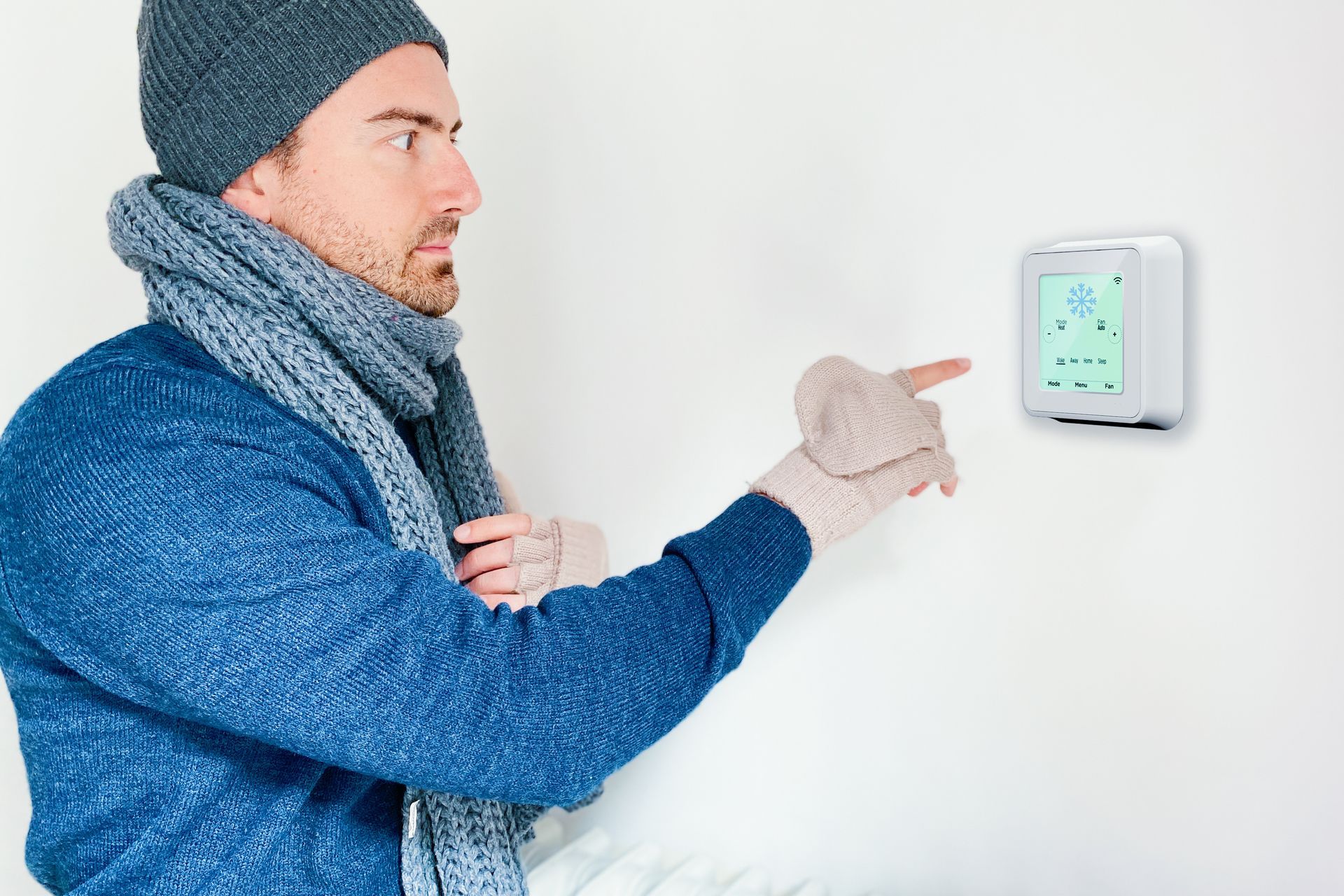
Before temperatures drop further, test your thermostat to make sure it is communicating properly with your heating system. Uneven temperatures, short cycling, or delayed startup are signs that something may be wrong. Catching these issues early can prevent more serious problems later.


4. Make Sure Airflow Is Clear Throughout Your Home


Blocked vents and registers reduce heat circulation and put extra stress on your system. Walk through your home and ensure vents are open and not covered by furniture, rugs, or curtains. Proper airflow helps your heater maintain consistent warmth and operate efficiently.


5. Address Small Problems Immediately


Unusual noises, weak airflow, or rising energy bills are warning signs that should not be ignored. Small issues can quickly turn into major repairs when your system is pushed to its limits during extreme cold. Prompt service can help prevent a complete breakdown.


Schedule Your Heating System Check With Evolution Home Services


Waiting until your heater fails during extreme cold can lead to higher repair costs and uncomfortable conditions. Preparing your system now helps protect your home and your budget.


At Evolution Home Services, we provide honest recommendations, upfront pricing, and reliable heating service you can trust. Our technicians focus on what your system actually needs, without pressure or unnecessary repairs.


Contact Evolution Home Services today to schedule a heating inspection and make sure your system is ready for extreme winter weather.

CONTACT US!
An outdoor air conditioning unit sits next to a white house, partially obscured by pink peony flowers.
April 7, 2026
Get your HVAC system ready for warmer weather with this April checklist. Prevent breakdowns, improve efficiency, and schedule your spring AC tune up today.
Several outdoor air conditioning units near a building, with electrical boxes above.
March 5, 2026
Get your AC ready for spring with these 5 simple checks. Prevent breakdowns, improve efficiency, and keep your home comfortable before summer heat arrives.
Yellow daffodils in a field, with bright sunlight shining through, green grass.
February 11, 2026
Prepare your HVAC for spring with simple maintenance tips that boost efficiency, prevent breakdowns, and lower energy bills. Schedule your $39 service today.
Woman wrapped in blue blanket, looking cold, covers mouth, standing near a thermostat.
December 12, 2025
Heater not working? Learn the top 5 reasons your heating system fails and how affordable repairs can restore comfort fast without overpaying.
HVAC technician using gauges to check an air conditioning unit.
November 11, 2025
Stay warm this winter! Discover 5 warning signs your heating system needs repair and learn how to prevent costly breakdowns with expert help.
HVAC technician servicing air conditioning unit with gauges. Blue uniform, wiring visible.
October 9, 2025
Save money this winter with a $39 HVAC tune-up from Evolution Home Services. Improve efficiency, prevent breakdowns, and lower energy bills.
Fallen autumn leaves on grass by a sidewalk in a park, with trees and buildings in the background.
September 8, 2025
As the seasons change, your home comfort systems work harder to keep up.
Air conditioner with a large red
August 8, 2025
Is your AC not blowing cold air? Discover the common causes and expert solutions from Evolution Home Services. Get fast, reliable air conditioner repair today.
Outdoor air conditioning unit against a wooden fence, on a concrete pad, with green grass.
July 10, 2025
Noticing weak airflow or strange noises from your air conditioner? Learn the top signs your AC unit needs a repair from the HVAC pros at Evolution Home Services.
Outdoor air conditioning units near a light-colored building, surrounded by bushes.
June 9, 2025
As temperatures rise, your HVAC system becomes the unsung hero of home comfort. But did you know that a simple pile of leaves, dirt, or even pollen buildup around your unit could be the reason your system is running inefficiently or worse, on the brink of failure? Let’s dive into why clearing out debris from around your HVAC unit isn’t just a good habit — it’s essential maintenance. Why Debris Around Your Unit Is a Problem Your outdoor HVAC unit (also known as a condenser) needs unrestricted airflow to do its job. When debris like grass clippings, leaves, twigs, or heavy layers of spring pollen accumulate around the unit, it restricts that airflow. This forces your system to work harder to cool or heat your home, leading to: Overheating: Reduced airflow causes the unit to run hot. If it overheats, it can trip breakers, damage internal components, or shut down entirely. Higher Energy Bills: The harder your system works, the more energy it consumes. That debris could be costing you real money. Shortened Lifespan: Constant strain on the system can wear it out years before its expected service life. The Hidden Dangers of Pollen Pollen might seem harmless, but in large quantities, it can be just as damaging as visible debris. Spring and early summer are particularly risky times. Pollen gets sucked into the unit and clogs the condenser coils, acting like a blanket that traps heat inside the system. When your unit can’t release heat efficiently, it runs much hotter than it should. This heat buildup can seriously damage your system. Coil damage, refrigerant pressure problems, and even compressor failure can result, leading to costly repairs or full replacement. How to Properly Maintain the Area Around Your Unit Here’s a simple maintenance checklist to keep your system safe and efficient: Clear a 2 to 3 foot perimeter around the unit. Remove plants, weeds, and grass clippings. Clean off visible debris on the unit’s exterior, especially after a storm or yardwork. Check the coils for pollen or grime buildup and schedule coil cleaning if needed. Avoid stacking objects like gardening tools, bikes, or storage bins nearby. Trim back vegetation at least once a month during growing season. Bonus tip: Consider adding a gravel or mulch border around your unit to help reduce grass and weed growth. When to Schedule Professional Help Even if you're diligent about basic upkeep, your system still needs seasonal professional maintenance. A trained technician can deep clean internal components, inspect for hidden damage, and ensure your system isn’t running hot due to hidden pollen buildup. *Pro tip: Schedule your maintenance before the peak of summer, when HVAC systems work their hardest and appointment availability becomes limited. Keeping your HVAC unit free of debris is one of the easiest and most affordable ways to protect your investment and ensure year-round comfort. Don’t let something as simple as pollen bring your system to its knees. A clean unit is a cool unit, and a long-lasting one.